Case Study. Real-time video and telemetry for connected fleets
RaceKeeper Connect. Live video and sensor data from fleets of moving devices.
A cloud platform that streams live video and real-time telemetry from a fleet of moving vehicles to viewers and teams. Synchronized, low-latency, and resilient over patchy cellular connections. The same engineering pattern that powers modern drone, fleet, and connected-asset software.
- Live low-latency video
- Real-time telemetry, time-synced
- Fleet-scale, multi-region
- Drone and UAV ready
What RaceKeeper is
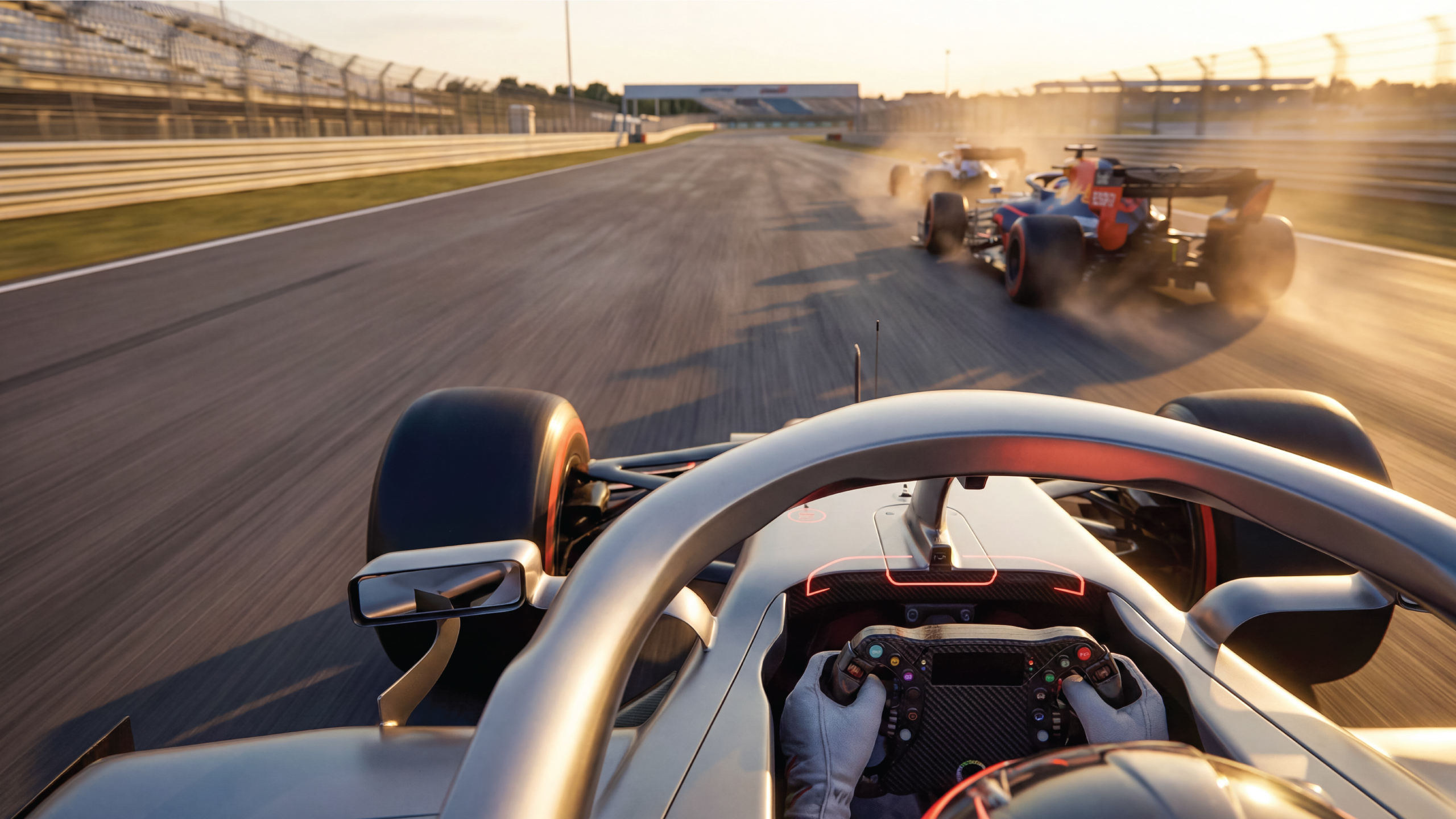
A cloud platform that streams live video and real-time telemetry from a fleet of moving vehicles to viewers and teams. Front and rear cameras, GPS, speed, engine and sensor data, all fused and time-synced frame-accurately, and delivered to a custom player as well as public broadcast at the same time.
What we shipped
Live, low-latency video from in-vehicle cameras to a custom player and to public broadcast simultaneously
Real-time telemetry fused with the video and time-synced down to the frame
Fleet-scale, multi-region device management with many devices live at once across geographies
Resilient operation over unreliable cellular links, with graceful handling of dropouts and signal loss
Cloud-native, auto-scaling ingestion with self-monitoring and self-recovery
A roadmap to turn captured telemetry into performance analytics and insights
Why it is hard
This kind of platform looks simple until you try to ship it. The engineering surface area is what separates a demo from a production system that runs unattended.
Keeping video and sensor data perfectly in sync when they travel different paths at different speeds
Streaming broadcast-quality video over consumer cellular from fast-moving vehicles
Operating a fleet of remote edge devices that constantly connect and disconnect, without manual babysitting
Multi-region, always-on reliability with automated recovery when things go wrong
Production capability
The six things RaceKeeper proves Spell can build.
Each one is a real-world engineering challenge most teams underestimate. Together they describe the shape of any modern connected-device platform.
Live, low-latency video
In-vehicle cameras stream to a custom player and to public broadcast at the same time, with the low end-to-end latency live audiences expect.
Real-time telemetry fusion
GPS, speed, engine, and sensor data captured at the edge and fused with the video, time-synced frame-accurately so what you see and what you measure line up.
Fleet-scale, multi-region
Many devices live at once across geographies. Fleet management, regional ingestion, and consistent viewer experience wherever the device is in the world.
Resilient over patchy cellular
Built for the real world. Dropouts, weak signal, and devices going on and off line are handled gracefully, with self-healing recovery rather than manual intervention.
Cloud-native and hands-off
Auto-scaling ingestion, automated device provisioning, and self-monitoring with self-recovery. The platform runs unattended at scale, not from a control room.
Telemetry to insight
A data-intelligence roadmap that turns captured telemetry into performance analytics and operational insights, layered on top of the same fleet data.
How we set it up
Edge capture devices feed cloud ingestion. Real-time processing fuses video with telemetry and keeps them in sync. The result is distributed live to both a custom player and to public broadcast, with automated fleet orchestration and monitoring running in the background. It is a single end-to-end pipeline designed to run unattended.
Edge capture at the device, with the protocols that consumer cellular networks actually allow
Cloud ingestion with auto-scaling that absorbs variable traffic from a moving fleet
Real-time fusion of video and sensor data, time-aligned for the player and for downstream analytics
Multi-region distribution with consistent, predictable playback for viewers
Automated fleet orchestration, provisioning, and self-monitoring that catches issues before users do
Operating posture
The system is built to be quiet. No NOC of humans watching dashboards, no nightly babysitting.
Self-monitoring with automatic recovery on the most common failure modes
Idle-stream handling so a device with no signal does not destabilize the fleet
Predictable per-device behavior so onboarding the next hundred devices is the same as onboarding the first
Structured operational logs and runbook-style checks for the cases that need a human
Transferable capability. The priority next market.
Drone and UAV software. Same engineering, different aircraft.
The exact problem RaceKeeper solves is the core of modern drone software. Live video and flight telemetry from fast-moving, remotely operated platforms over cellular, synchronized and at scale.
What translates directly
Live aerial video streaming from the aircraft to operators, command centers, and public viewers
Flight telemetry fusion. GPS, altitude, battery, IMU, sensor data, all time-synced to the video
BVLOS and remote operations support. The platform was already built for devices the operator cannot see
Live ops-center dashboards with multi-aircraft views and the freshness logic operators need
Geofencing and geospatial integration on top of the same telemetry pipeline
Fleet management of connected aircraft. Onboarding, monitoring, self-recovery, and lifecycle
Why this is the obvious next step
Commercial drones, BVLOS operations, ag-drones, inspection drones, and public-safety UAVs all need the same things RaceKeeper already does. A live aerial feed, a continuous stream of flight telemetry, and a fleet management surface that operations teams can actually live in. We have already shipped this pattern in production for fast-moving vehicles. Adapting it to aircraft is a focused extension, not a new platform.
If you are building drone software, evaluating a drone-ops platform, or planning live aerial workflows, RaceKeeper is the proof we can build it.
Where else this transfers
Real-time video and sensor data from moving, connected, or remote assets at fleet scale.
Any industry with that shape of problem is a fit for the same engineering pattern. A selection of where RaceKeeper transfers next.
Drones and UAV
Aerial video plus flight telemetry plus fleet ops. Commercial drones, BVLOS, ag-drones, inspection, public-safety UAVs. The lead next market for this capability.
Logistics, fleet, and trucking
Live dashcam, vehicle telematics, GPS tracking, and route insight across long-haul, regional, and last-mile fleets.
Agriculture
Ag-drones and connected machinery. Precision-ag telemetry, aerial scouting, and field operations visibility for growers and ag-tech platforms.
Construction and heavy equipment
Machine telematics combined with jobsite live video. Equipment fleet visibility, safety oversight, and project operations awareness.
Maritime and marine
Vessel tracking, onboard video, and marine sensor data for commercial fleets, racing, and offshore operations.
Energy and utilities
Remote and aerial asset inspection. Power-line surveys, pipeline monitoring, substation oversight, and field-team coordination.
Public safety and first responders
Live body and vehicle cameras with location pushed into command centers. The same fleet, video, and telemetry pattern, applied to a different mission.
Mining and autonomous vehicles
Remote and autonomous equipment monitoring. Live video plus operational telemetry from machines operating in places people should not be.
Sports and live-events broadcast
Other motorsport, cycling, marine racing, and live event production. The original surface RaceKeeper was built for, now scaling beyond a single sport.
What we delivered
A device provisioning surface and backend automation that onboards new devices consistently
Per-device video services with predictable playback, front and rear streams, and clean canonical URLs
Telemetry middleware integration and cloud processing that produces a live data feed for the player
A custom web player with a live telemetry HUD overlay for viewers and operations teams
Operational guardrails to keep the fleet stable when devices go quiet or signal drops
How we reduced risk
Separated the video and telemetry paths so failures in one stay diagnosable on their own
Added structured operational logs and runbook-style checks for the issues a human still has to see
Guarded against idle streams to avoid restart loops on devices with no signal
Validated encoder and capture assumptions through controlled parameter testing before fleet rollout
Building something that streams live video and data from drones, vehicles, or remote equipment?
If you are planning live aerial workflows for drones or UAVs, telematics and dashcam at fleet scale, jobsite or vessel video with sensor data, or any platform that needs synchronized video and telemetry from connected devices, we can help you design and ship it. We protect client confidentiality and do not reuse client-specific designs or private details.